
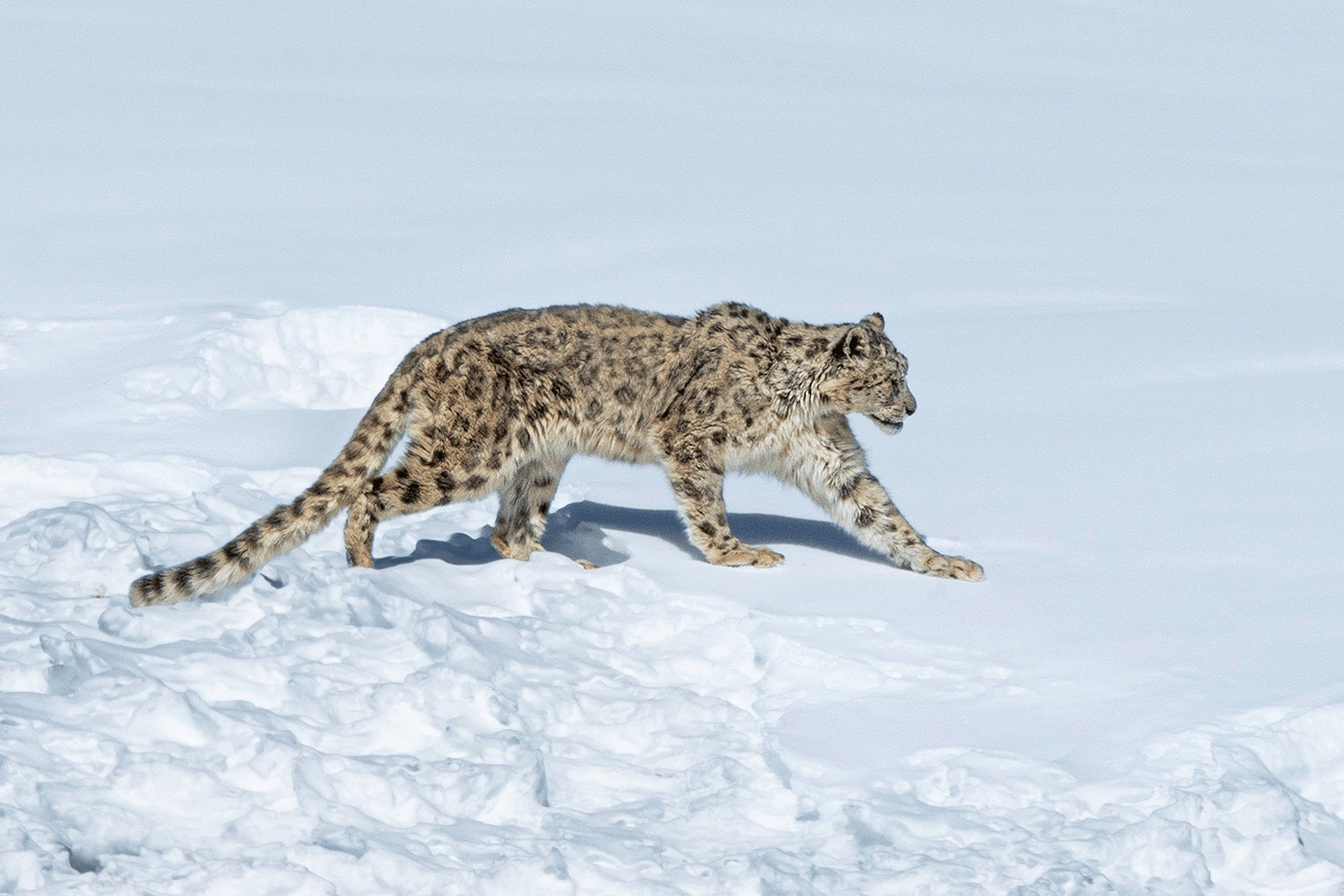
Snow Leopard Expedition Tours in Spiti Valley, India (12 Nights / 13 Days)
Season (1 Dec to 31 Mar)
Snow Leopard Expedition in Kibber Wildlife Sanctuary
A Snow Leopard Expedition in Kibber Wildlife Sanctuary is one of the most focused and rewarding wildlife experiences in India. Located in the high-altitude desert of Spiti Valley, Kibber is globally recognized as one of the most reliable regions for tracking
snow leopards during winter. At elevations between 3,800 and 4,800 meters (11,000 to 14,000 feet), the terrain is rugged, open and dramatic. Carved by glacial valleys and steep ridgelines. During winter months (December to March), snow leopards descend to lower altitudes following their primary prey species, especially blue sheep (bharal). This seasonal movement significantly increases the probability of sightings.
Our snow leopard expedition tours in Spiti are built around systematic tracking. Days are spent scanning ridgelines, monitoring prey herds, reading fresh tracks in snow and positioning strategically across valleys known for recent movement. Sightings are rarely close-range and often require patience, but watching a snow leopard walk along a Himalayan ridge is a once-in-a-lifetime moment.
Kibber’s open terrain provides excellent long-range visibility, making it one of the best landscapes in India for snow leopard tours.
Key Highlights :
Enjoy an adventurous drive on a 4x4 vehicle through snowy Himalayan roads.
7 nights at Kibber wildlife sanctuary.
All paperwork, inner line permits, wildlife fees are taken care of.
Spend the whole day on the field.
Field insights and professional guidance from a veteran nature and photography mentor.
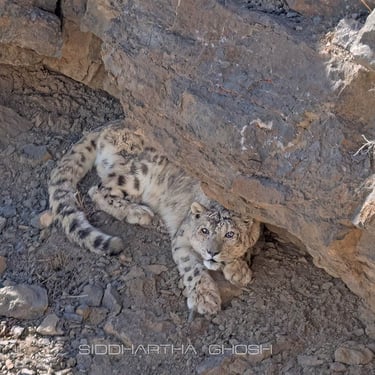
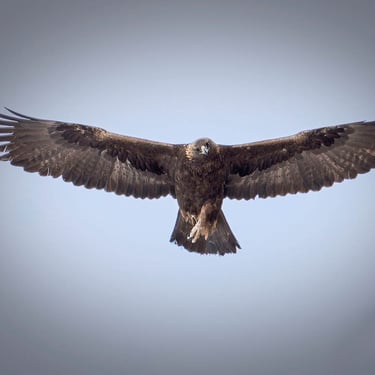
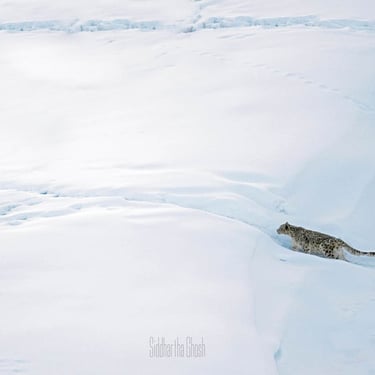
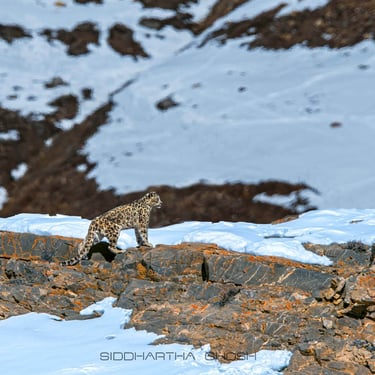
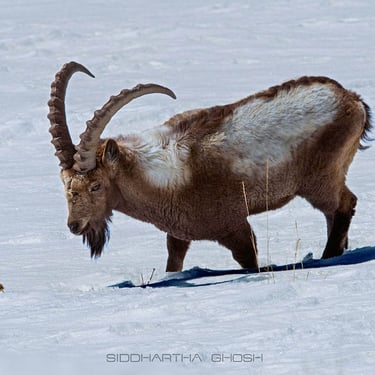
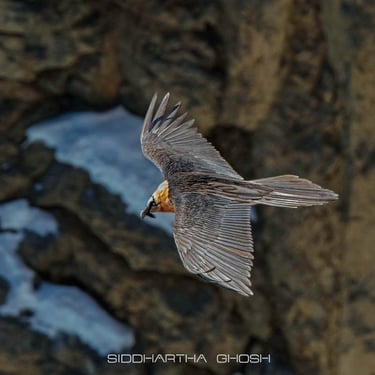
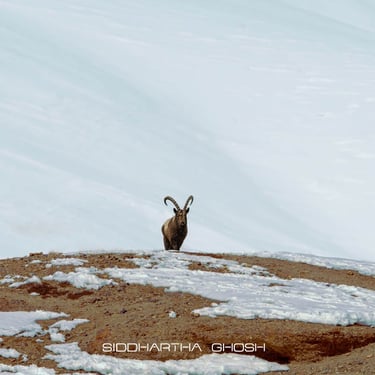
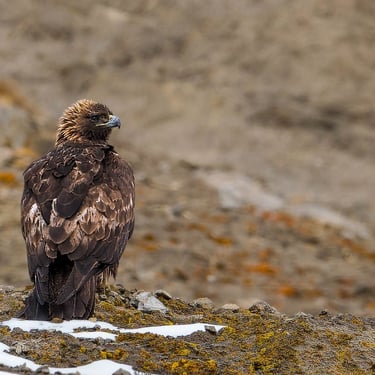
Clips from our recent Snow Leopard Expedition
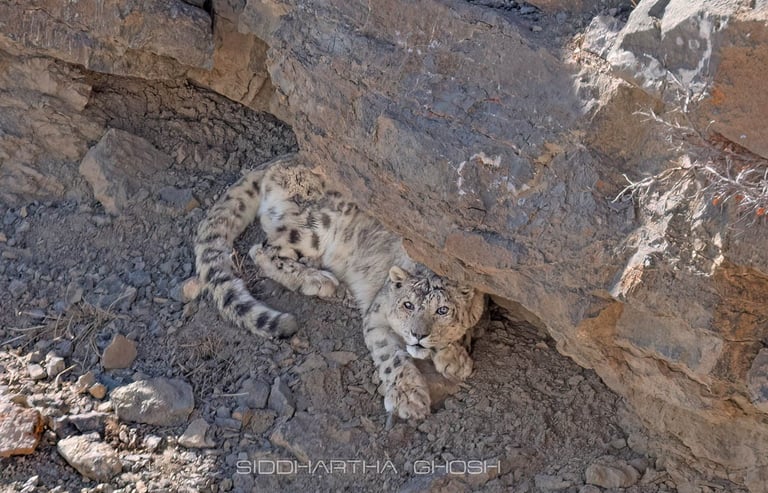
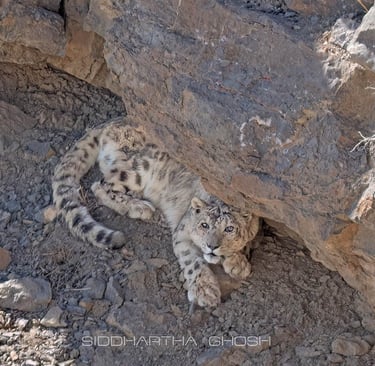


Why is India one of the best locations to spot or photograph Snow Leopards?
Due to rigorous conservation efforts through several decades, the snow leopard population in India is on the rise. Conservation programs, community support, and scientific monitoring techniques are helping stabilize and slowly increase the population of the elusive Snow Leopard across the high mountain landscapes of India. Although snow leopards are found in five states/Union Territories in India namely Ladakh, Himachal Pradesh, Uttarakhand, Sikkim and Arunachal Pradesh, the best places to see and capture the elusive cat is in Ladakh and Himachal Pradesh.
Ladakh (Hemis National Park) vs. Himachal Pradesh (Kibber Wildlife Sanctuary): Which is better for Snow Leopard Expedition?
Ladakh: Hemis National Park (Pro's & Con's)
PRO's
CON's
When planning a Snow Leopard expedition, the two most prominent regions in India are Ladakh and the Spiti Valley in Himachal Pradesh. While both offer a high probability of sightings, the experience in each is distinct. At Wyldistan, we specialize in both terrains to ensure you get he best possible wildlife photography opportunities.
Ladakh, specifically Hemis National Park and the Uley region, is the world’s most famous destination for tracking the "Ghost of the Mountains."
Landscape: Vast, high-altitude desert plateaus and jagged peaks.
Alongside snow leopards other wildlife that you may see are blue sheep, Himalayan wolves, foxes, golden eagles and diverse species of birds.
Visits to remote monasteries and interaction with Ladakhi communities add a cultural dimension to the expedition.
Temperatures can drop below −20°C, making field time physically demanding."
Most expeditions operate above 3,500–4,000 meters, where altitude sickness can affect some travelers.
Even in the best habitats, snow leopards remain elusive.
Accommodation and travel logistics can be simple compared to mainstream safari destinations.
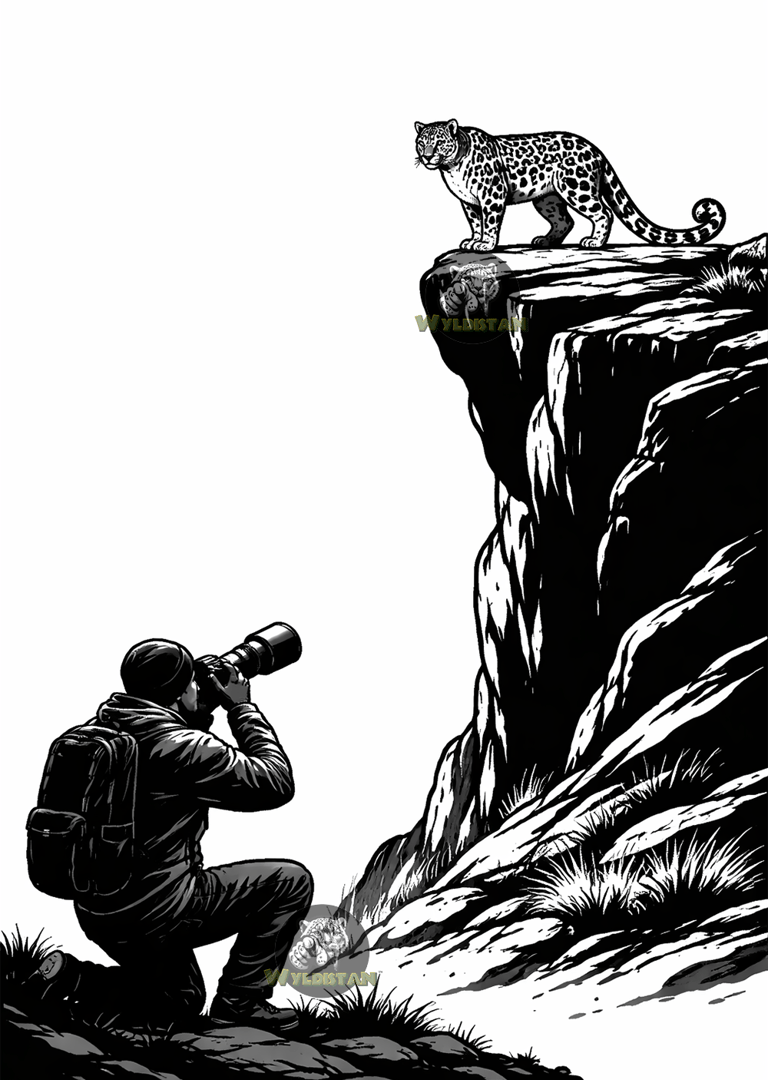
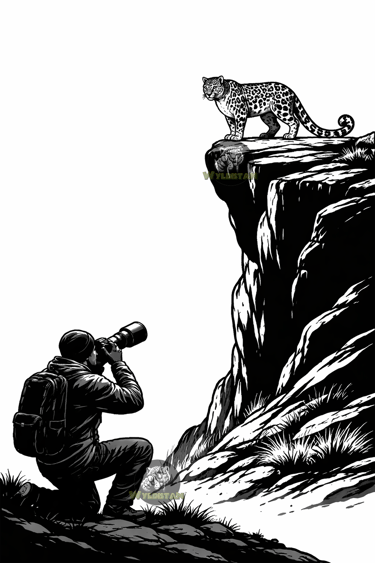
Important Photography Tip: Usual Viewing angles at Hemis National Park for Snow Leopard Photography
The landscape in Ladakh is such that expeditions are carried out in valleys and the leopards are generally seen on high mountain ridges along the valleys. So, most of your viewing angle would be from a lower altitude to a higher gradient. So, the photographs might be at angle where you have the sky as the background. This is fine for normal viewing but might not be ideal for serious photographers. Here is a diagram showing you what you can expect on the field.
Himachal Pradesh: Kibber Wildlife Sanctuary (Pro's & Con's)
PRO's
CON's
Kibber Wildlife Sanctuary in the high-altitude region of Spiti Valley has a relatively high density of snow leopards, giving photographers and wildlife enthusiasts a realistic chance of sightings.
Vast cliffs, frozen rivers, and dramatic ridgelines create an incredible scenery for landscape and wildlife photography.
Open terrain and vantage ridges make it easier to observe animals such as blue sheep, wolves, foxes and of course the snow leopard itself.
Local villages benefit from wildlife tourism, encouraging conservation and protection of snow leopards.
Besides snow leopards, the area hosts a diverse varieties of wildlife like the Himalayan ibex, red fox, Tibetan wolf, Golden eagle, lammergeier and other alpine species.
Winter temperatures can drop below –20°C, making long hours of waiting physically demanding.
Kibber sits above 4,000 meters and altitude sickness is a real concern without proper acclimatization.
Snow leopard tracking often involves hours or days of scanning cliffs without sightings. However, sighting chances are better here compared to other snow leopard habitats.
Accommodation in remote villages may be simple compared to typical wildlife lodges.
Heavy snow and mountain weather can delay travel and change expedition plans.
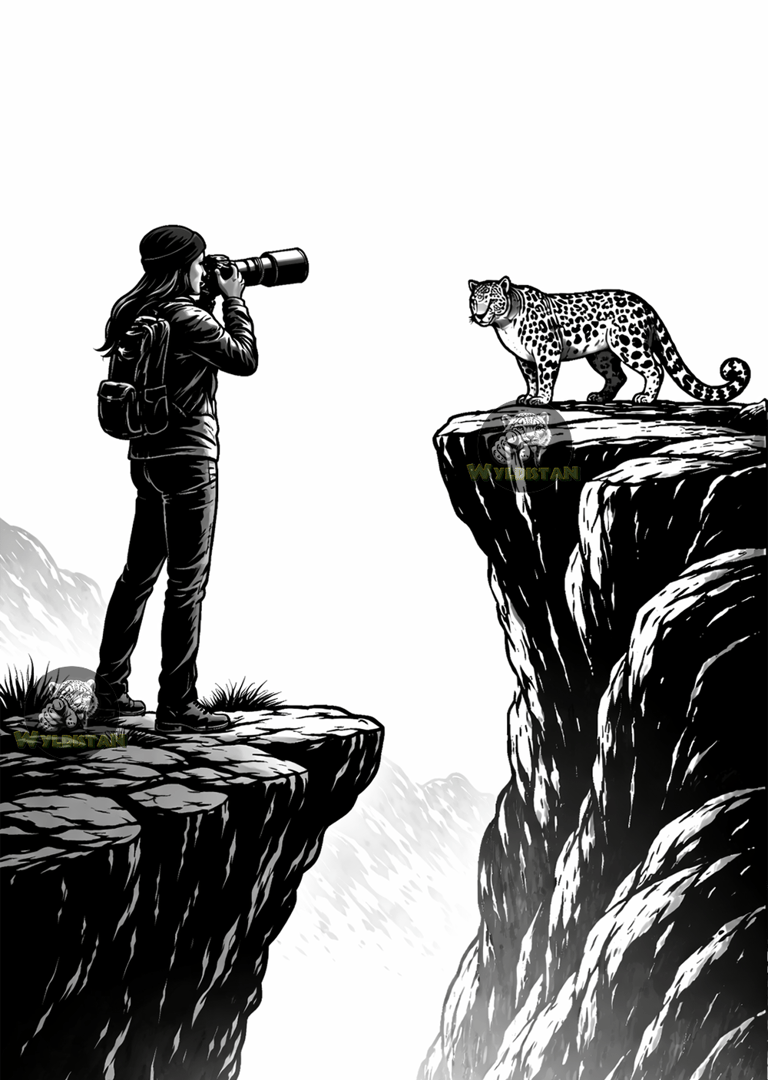
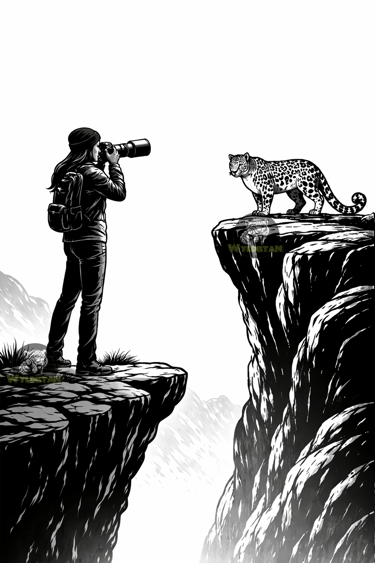
Important Photography Tip: Usual Viewing angles at Kibber Wildlife Sanctuary for Snow Leopard Photography
The landscape at Kibber Wildlife Sanctuary is such that expeditions are carried out on high cliffs and ridgelines and the leopards are generally seen on high mountain ridges on the opposite side of the gorge. So, most of your viewing angle would be at eye level. This is ideal for photographers where one might get rocky landscapes alpine vegetation and snow in the background. Here is a diagram showing you what you can expect on the field.
Our Recommendation: For serious photographers and those who want to see the snow leopard from closer proximity, Kibber Wildlife Sanctuary in Spiti would be the best option.
Do's & Don'ts
✅ Do’s
Follow all instructions given by forest officials and guides
Maintain silence to avoid disturbing wildlife
Stay inside the safari vehicle at all times
Keep a safe distance from animals
Wear muted, earthy colors to blend with the surroundings
Carry binoculars and cameras without flash
Dispose of waste responsibly, carry it back with you
Respect forest rules and safari timings
❌ Don’ts
Do not feed or attempt to attract animals
Do not litter or throw food inside the forest
Avoid loud talking, shouting, or playing music
Do not use camera flash or spotlight animals
Do not stand up, lean out, or exit the vehicle
Avoid smoking or lighting fires
Do not chase wildlife or pressure drivers for close sightings
Never collect plants, feathers, or natural souvenirs
Following these guidelines helps protect wildlife, supports conservation, and ensures a safe, ethical safari experience for everyone.
FAQ's
Checkout some of our other top-rated trips
Jim Corbett Tiger Safari and FRH Stay (6N7D)
Tadoba Andhari Tiger Reserve (4N5D)
Top Wildlife Tours
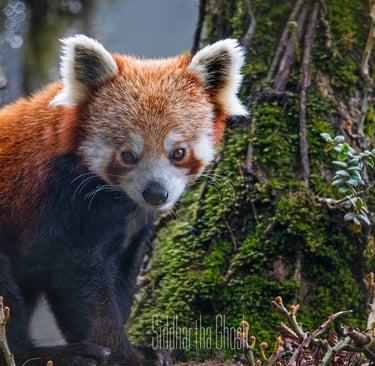
Red Panda Tours (6N/7D)

Explore
Connect
Subscribe to our news letter
contact@wyldistan.com
+1234567890
Copyright © 2025 Wyldistan. All rights reserved.
Policies